

Choosing a Professional Floor Restoration Company in Swansea
What if the floor you’re considering replacing could be restored instead? Choosing a Professional floor restoration company Swansea property owners can trust starts with a careful assessment, not a one-size-fits-all quote. The right approach depends on the existing surface, its condition and how the space is used. Before deciding, it’s sensible to get clarity on the proposed work, finish and practical arrangements.
At Restore-A-Floor, our team brings over 20 years of industry experience to residential and commercial flooring projects. We shape each restoration plan around the floor and the result you want, whether the work involves sanding and refinishing wood, polishing concrete or restoring tiled flooring. Preparation matters too: we use M-class dust filters to keep dust to a minimum, with the aim of creating a virtually dust-free environment. Our work covers Swansea, Cardiff, Bristol, Pembrokeshire, Haverfordwest and Cardiganshire.
This guide explains how to compare project proposals on a like-for-like basis, what a suitable restoration plan should address and the stages from assessment through to finishing. You’ll have a clearer basis for deciding whether restoration suits your floor and what to expect along the way.
Table of Contents
When is a professional floor restoration company in Swansea the right choice?
What should a Swansea floor restoration company assess before recommending work?
What happens during a professional floor restoration project in Swansea?
Why choose Restore-A-Floor for professional floor restoration in Swansea?
When is a professional floor restoration company in Swansea the right choice?
Worn boards, a dull finish or marks that seem impossible to shift can make a floor feel past its best. But deciding whether to restore or replace it isn’t always obvious. A Professional floor restoration company Swansea property owners choose should look beyond appearance: the right recommendation depends on the floor’s material, condition, previous treatments and the finish you want.
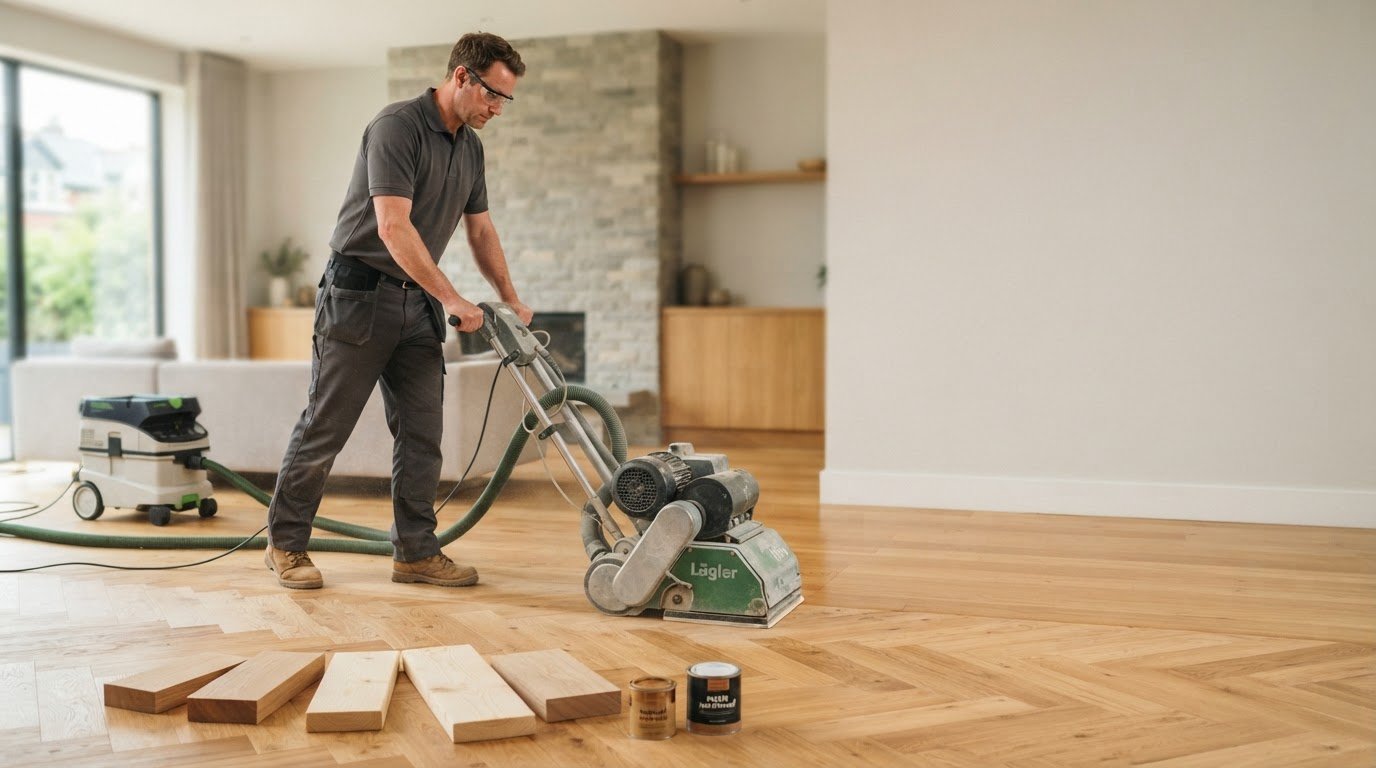
Restoration works with the surface already in place, using a suitable process to improve its appearance or renew its finish. Replacement means selecting and fitting a new floor. Neither option is right for every room. Sanding and refinishing may suit some timber floors, while concrete polishing and tiled floor restoration require different approaches. For background on how timber floors vary, see wood flooring types and restoration.
Which signs suggest a floor could benefit from professional assessment?
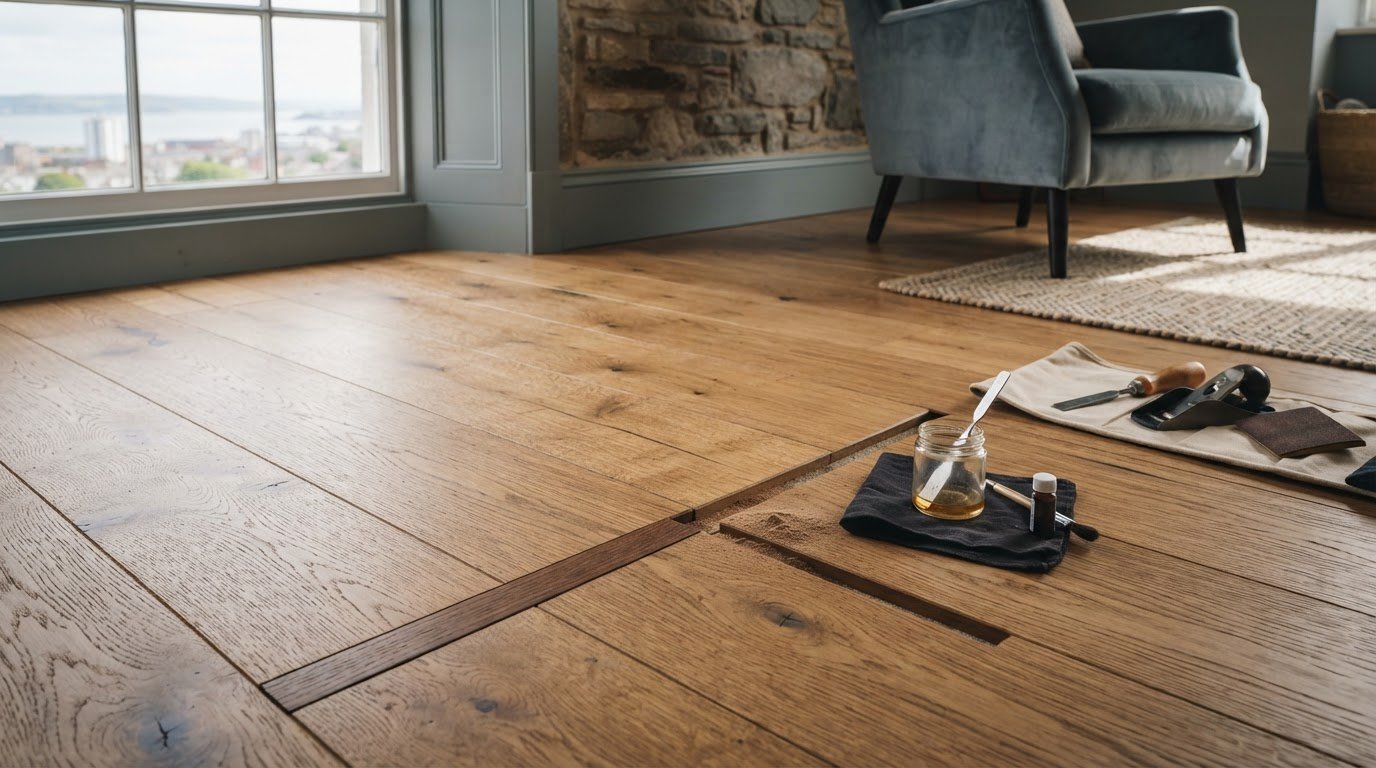
Scratches, surface staining, fading, worn patches or a finish that has lost its lustre are useful reasons to have a floor assessed. These signs don’t show by themselves how much work is needed or whether restoration is suitable. The finish can hide details about the surface beneath it, while loose boards, movement or deeper marks may affect the method and preparation. An assessment helps distinguish appearance concerns from issues that could change the project scope.
Restoration or replacement: what should shape the decision?
Keeping an existing floor may preserve its character and avoid changing the room’s established surface, provided its condition and material suit the intended work. A new installation may be more appropriate if you want a different surface or the existing floor won’t support the result you’re seeking. The room’s use matters too: a busy commercial space and a quieter domestic room may call for different priorities in finish and upkeep. For timber-specific guidance, see professional wood floor sanding in Swansea.
Use this checklist to prepare for an assessment:
Surface: Note visible wear, scratches, dull areas or staining.
Material: Identify what you know about the floor, such as timber, concrete or tile.
Condition: Record any movement, loose sections or damage, not just cosmetic marks.
History: Mention previous sanding, finishes or treatments if known.
Intended result: Consider the appearance and practical demands you want the floor to meet.
This information gives a restoration specialist a clearer starting point, although it can’t establish suitability without assessing the floor itself. Restore-A-Floor works with wood, concrete and tiled floors, and also supplies and installs new parquet flooring. These options can be considered in relation to the existing surface and the result you want. Restore-A-Floor undertakes flooring projects in Swansea, Cardiff, Bristol, Pembrokeshire, Haverfordwest and Cardiganshire.
What should a Swansea floor restoration company assess before recommending work?
A useful assessment does more than identify marks or worn areas. It considers the existing floor, its condition, how the space is used and the finish you hope to achieve. That information helps shape a suitable method and explains why it has been proposed, rather than relying on a generic service description.
The right restoration plan depends on the floor’s material, condition and intended use. A floor in a busy commercial area may have different practical demands from one in a quieter room at home, even if both appear similarly dull. Previous treatments and visible repairs can also affect preparation and the choice of method.
How does the floor material affect the restoration plan?
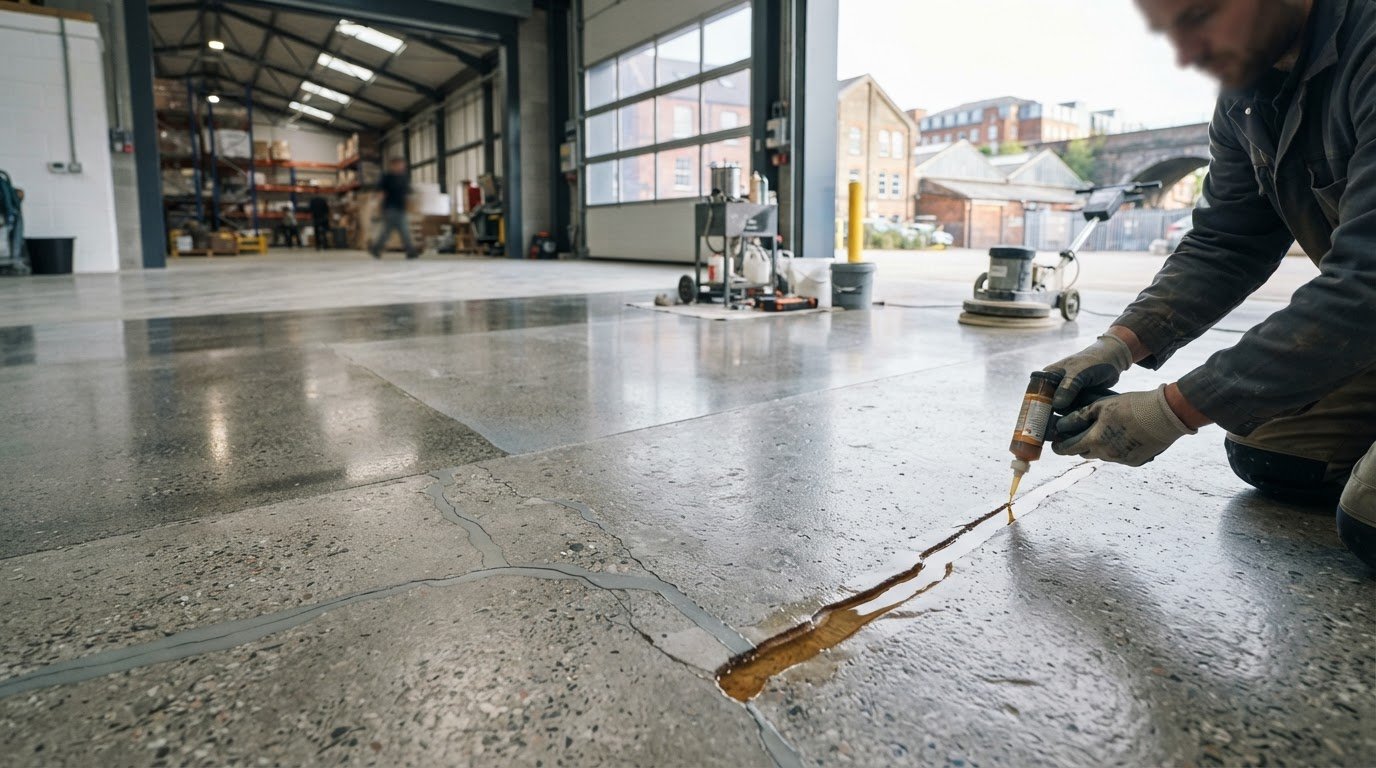
Different surfaces need different approaches. Wood may be sanded and refinished; concrete may be ground and polished; tiled surfaces need methods suited to their material and finish. Stone is distinct too, so the assessment should identify the surface before work is proposed. For more detail on concrete surfaces, explore concrete floor grinding and polishing.
Correct identification helps make the scope more precise. If you’re unsure what the floor is made from, point out repaired or treated areas and share any information you have about its history. That gives the assessment a better starting point without assuming one method will suit every floor.
Why do preparation and finishing belong in the same scope?
Preparation shapes the surface that the restoration or finish will act on. Depending on the floor, the plan may need to account for cleaning, surface preparation or repairs before the main treatment begins. The finish belongs in the plan too: it influences the final appearance and should reflect the room’s use and the result you want.
Compare proposals by looking at the work included, not just labels such as “sanding” or “polishing”. A clear scope should explain the intended preparation, any identified repair work, the restoration method and the proposed finish. It should also set out exclusions, so you can see where proposals differ and what each covers.
Material: What surface has been identified, and is the suggested method suited to it?
Condition: Which visible issues affect the planned work?
Preparation: What needs to happen before restoration or finishing?
Finish: What appearance and practical use is the proposal designed to address?
Scope: What is included, and what is excluded?
A Professional floor restoration company Swansea residents consider should connect these points in a project plan tailored to the floor, rather than treating preparation, restoration and finishing as separate choices. Restore-A-Floor works across wood, concrete and tiled flooring, bringing different surface requirements into the planning process. If you’re ready to outline your project, you can request an online flooring quotation.
How can you compare floor restoration companies in Swansea?
Quotes are useful side by side only when they describe comparable work. One proposal might include preparation and a protective finish, while another covers a narrower part of the job. A lower headline quotation doesn’t necessarily mean better value if the scope differs or relevant work is excluded. Compare floor restoration proposals by scope, preparation and finish, not headline wording alone.
Apply the same criteria to each proposal, looking for details that relate to your floor and property rather than broad promises.
What should a clear restoration quotation explain?
A useful quotation connects the existing surface to the work proposed. It should identify the floor, set out the restoration method and describe the preparation and finishing included. If the condition suggests repairs or additional preparation may be needed, those elements should be addressed so the scope is clear before you decide.
Check exclusions as well as inclusions. If one proposal covers preparation and finishing but another describes sanding alone, they aren’t like-for-like, even if both use similar service labels. Project-specific detail makes it easier to see what each proposal is designed to achieve and where the differences lie.
How can you judge experience, cleanliness and finish quality?
Relevant experience means more than a general claim: consider whether the company’s work covers the same broad material and type of property as yours. Clear communication matters too. A well-explained proposal should set out the intended finish and main stages, helping you understand how the work will progress without promising a particular result.
Dust management deserves precise wording. Restore-A-Floor uses M-class dust filters to keep dust to a minimum and aims to achieve a virtually dust-free environment. “Virtually dust-free” doesn’t mean that no dust will be present. This is a specific approach to consider, rather than an undefined claim about cleanliness.
With over 20 years’ industry experience across residential and commercial flooring projects, Restore-A-Floor provides free online quotations. Include the floor type, property use and result you’re aiming for to give the quotation a clear, project-focused starting point.
What happens during a professional floor restoration project in Swansea?
A clear project process helps you understand what happens after an enquiry, which decisions need to be agreed and how to prepare your property. The exact sequence depends on the floor material, its condition and the work required. Timber restoration, concrete polishing and tiled floor restoration each need a plan suited to that surface.
From initial floor assessment to an agreed project scope
Start by setting out what you know about the floor and the result you want. Details such as the surface type, visible wear, previous treatments and whether the space is used at home or commercially help frame the assessment. A project-specific scope then sets out the proposed work and finish, giving you a clearer basis for planning.
Restore-A-Floor provides free online quotations. Sharing details of your flooring project is a straightforward first step towards establishing an appropriate scope, rather than assuming every Swansea floor needs the same treatment.
A typical project may move through these stages:
Initial enquiry: Share the floor type, property use, visible concerns and your preferred outcome.
Floor assessment: Review the existing surface and its condition to understand what work may be suitable.
Scope and finish: Agree the proposed restoration, preparation and finish, including relevant repairs or other requirements.
Property preparation: Discuss access, furniture and how the room will be used around the work.
Restoration: Carry out the agreed work using a method suited to the floor, followed by the specified finish where applicable.
This is an overview, not a fixed sequence for every job. The preparation for wood sanding, for example, differs from that for concrete polishing or tiled floor restoration. The assessment and agreed scope determine the practical order of work.
How should you prepare the property for restoration work?
Discuss access and room use during planning, particularly if the area is part of a busy home or workplace. Make sure the project scope clarifies what needs to be moved, which parts of the property will be used and any practical priorities that could affect the work. Agreeing these arrangements in advance makes expectations clear.
Access: Identify the route to the work area and any relevant entry arrangements.
Furniture: Discuss what needs clearing and who will arrange it.
Room use: Explain whether the space needs to remain accessible during the project.
Priorities: Raise concerns about dust, adjoining areas or the intended finish before work begins.
Restore-A-Floor uses M-class dust filters to keep dust to a minimum, with the aim of achieving a virtually dust-free environment. This isn’t a promise of a completely dust-free process, so include your property’s needs in the project arrangements.
To set out your floor type, property use and restoration aims, request a free online quotation from Restore-A-Floor.
Why choose Restore-A-Floor for professional floor restoration in Swansea?
Choosing a Professional floor restoration company Swansea property owners can trust means finding a team that matches its approach to the floor, explains the project scope and considers practical concerns such as dust. Restore-A-Floor brings over 20 years of industry experience to residential and commercial flooring projects, shaping the work around the existing surface and the result you want to achieve.
That breadth matters when a property includes different floor types or the right route isn’t immediately clear. Restoration, sanding, grinding and polishing each have a role, depending on the surface and its condition. The aim is to establish a suitable scope and finish for the floor in question, rather than assume one method suits every project. Preparation is part of that plan, not an afterthought.
A bespoke service across flooring materials and project types
Restore-A-Floor works on existing wood, concrete and tiled floors, providing sanding, grinding, polishing and restoration for residential and commercial settings. This range helps shape the work around the floor and the way the space is used, whether the project is at home or in a commercial property. For more on tiled surfaces, see this guide to tiled floor restoration for period and modern tiles.
Careful planning includes the working environment. The team uses M-class dust filters to keep dust to a minimum, with the aim of achieving a virtually dust-free environment. That describes an aim, not a promise that no dust will be present. It’s a practical point to consider alongside the work involved, access to the room and how the property will be used during the project.
Restore-A-Floor is a family-owned flooring specialist, with experience in both restoration and flooring installation. This wider perspective helps consider the existing floor alongside the desired appearance, rather than treating the service name as the whole plan. The proposed scope remains specific to the floor and project requirements.
Request a free quotation for your Swansea floor
After considering the floor’s condition, proposed preparation and intended finish, the next step is to outline your project. Share what you know about the surface, whether it’s in a home or commercial setting, and the result you have in mind. This gives the quotation process a useful starting point and helps shape a scope around your requirements.
Restore-A-Floor provides free online quotations for flooring projects in Swansea, Cardiff, Bristol, Pembrokeshire, Haverfordwest and Cardiganshire. Request your free online quotation to discuss a bespoke project and plan a considered restoration.
Take the next step towards a floor that suits your property
Before moving ahead, decide what you most want the floor to contribute to the room. You might be aiming for a cleaner, more consistent appearance, a finish that complements the interior or a surface better suited to everyday use. Having that priority in mind can make the first conversation more focused and help shape a project around what matters to you.
A Professional floor restoration company Swansea property owners can rely on should help turn those priorities into a considered plan. Restore-A-Floor’s qualified team works on residential and commercial flooring projects, bringing practical expertise to each property’s requirements. You don’t need to have every technical detail worked out before starting. A clear description of the floor and your aims is a useful foundation.
Set out what you’d like to achieve and take the next step towards a tailored plan. Request a free quotation for your Swansea floor and begin planning a bespoke approach with Restore-A-Floor.
Frequently Asked Questions
How do I choose a professional floor restoration company in Swansea?
Choose a company that can explain how its approach relates to your floor and property, rather than relying on a broad service label. Restore-A-Floor’s work spans residential and commercial flooring, including restoration, sanding, grinding and polishing. When comparing companies, look for a clear explanation of the proposed work, the finish being considered and how the project will be planned around the space.
Can my existing floor be restored instead of replaced?
It depends on whether the existing surface can support the result you want. Worn timber, for example, may be suitable for sanding and refinishing, while extensive damage or a different design goal may point towards another approach. Share any known history of previous treatments or repairs, as it can help inform the assessment. Appearance alone can’t confirm what lies beneath a finish.
Is professional floor restoration in Swansea a dusty process?
Some restoration work can create dust, so dust management is a useful part of project planning. Restore-A-Floor uses M-class dust filters to keep dust to a minimum, with the aim of achieving a virtually dust-free environment. This isn’t a promise that the process will be entirely dust-free. If the work is near furnishings, equipment or adjoining rooms, include those concerns in the project arrangements.
What types of floors can a restoration company work on?
Restore-A-Floor works with existing wood, concrete and tiled floors, using services such as sanding, polishing and restoration where suitable for the surface. Its flooring work also includes parquet supply and installation, alongside decking design and build. The right service depends on whether you want to renew a floor that’s already there or introduce a new surface. Sharing the material, location and intended use helps define the project.
What should a floor restoration quotation include?
A useful quotation should make the proposed work clear for your specific floor. Check that it identifies the surface, describes the main work and finish, and explains relevant preparation or repairs. It should also state exclusions, so you can see whether tasks such as moving furniture or treating adjoining areas form part of the proposal. Restore-A-Floor’s project scope sets out the work being proposed for your flooring.
How do I get a floor restoration quotation in Swansea?
You can request a free quotation online from Restore-A-Floor. Include the floor type, where it’s located, what you’ve noticed and what you’d like the finished space to look like. If you’re unsure of the material, describe its appearance and any known history rather than guessing. For a property in Swansea, this gives the team a useful starting point for understanding the project and shaping a suitable scope.
Does floor restoration work for commercial properties as well as homes?
Yes. Restore-A-Floor undertakes residential and commercial flooring projects, with the work planned around the property and how the space is used. A shop, workplace or other shared setting may have different practical priorities from a room at home, such as how the floor supports everyday activity. Describing those needs at the outset helps the team consider them alongside the existing surface and the finish you have in mind.
Comments