

Commercial Timber Floor Sanding Bristol: The 2026 Procurement & Buying Guide
For a high-traffic Bristol business, your floor isn't just a surface; it's a depreciating asset that either reinforces your brand's prestige or signals operational neglect. You likely understand that a worn, scuffed floor in a boutique or office space creates a poor first impression, yet the fear of dust contamination and weeks of lost revenue often keeps the sanders at bay. Investing in professional commercial timber floor sanding Bristol is a strategic asset management decision that requires a sophisticated approach to industrial-grade dust extraction and specific high-traffic finishes.
This 2026 procurement guide empowers you to master the technical requirements and scheduling strategies necessary for a seamless restoration. We'll explore how to navigate the latest HSE workplace exposure limits, which mandate strict 3mg/m³ wood dust controls, and how to select finishes that offer a high-end aesthetic without compromising on durability. From understanding the flight to quality in Bristol's £88.4 billion regional economy to ensuring compliance with the Workplace (Health, Safety and Welfare) Regulations 1992, you'll gain the expertise needed to transform your commercial space whilst ensuring minimal operational disruption.
Table of Contents
The Strategic Value of Commercial Timber Floor Sanding in Bristol
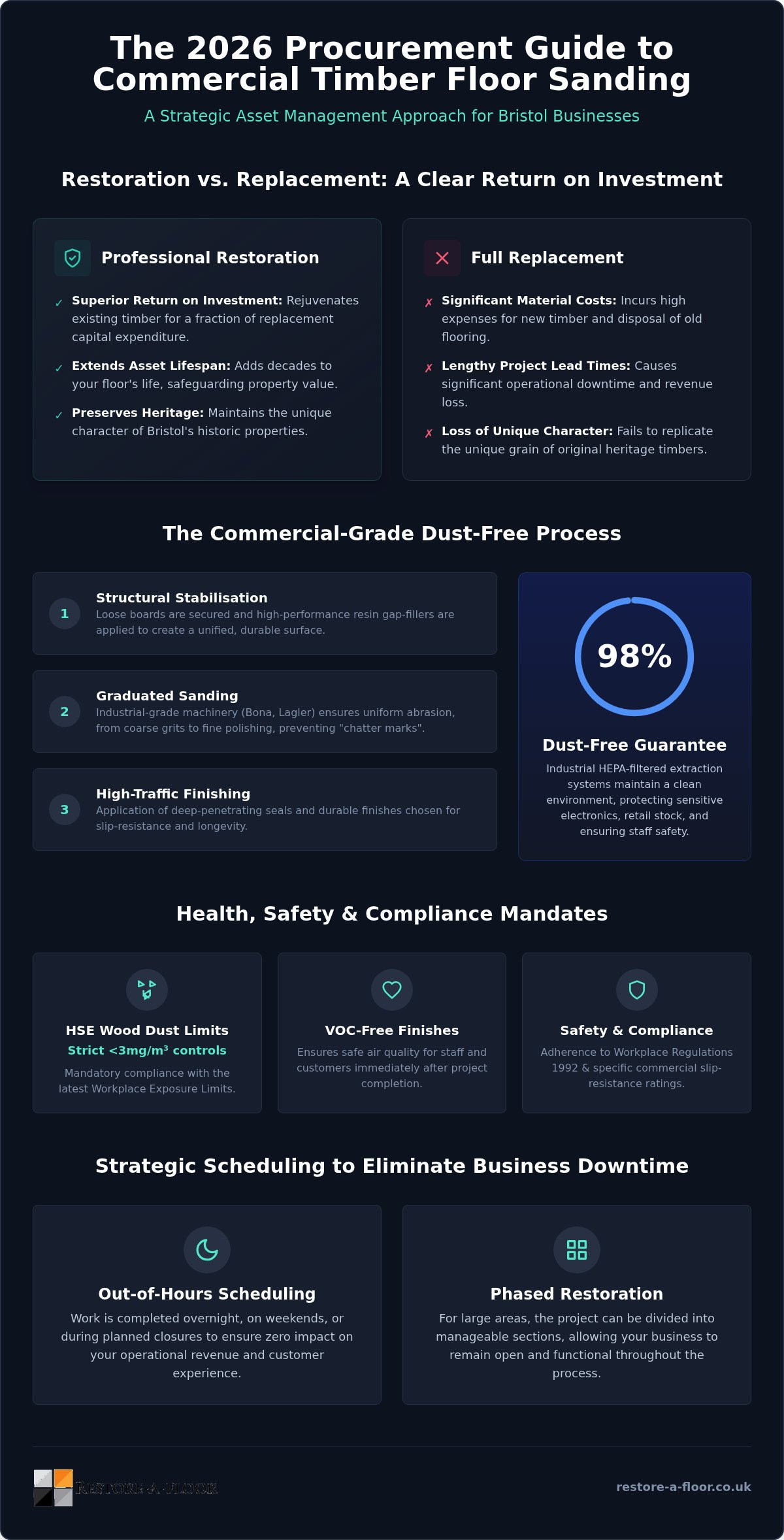
Commercial timber floor sanding Bristol is a rigorous restoration methodology that employs industrial-grade machinery to remove years of accumulated wear, surface scratches, and structural imperfections from wooden surfaces. Unlike residential equipment, these heavy-duty systems are engineered to manage the vast square footage of expansive showrooms or office complexes whilst maintaining the precision required to prepare the substrate for the wood finishing process. This isn't a mere cosmetic uplift; it's a technical overhaul designed to stabilise the floor's integrity under the pressure of constant commercial use.
Choosing restoration over a full floor replacement is a decision rooted in fiscal prudence. A complete installation involves significant material costs and lengthy disposal lead times; conversely, professional sanding rejuvenates the existing timber for a fraction of that capital expenditure. This approach offers a superior return on investment by extending the asset's lifespan by decades, allowing businesses to redirect their budget towards other growth-focused initiatives. In Bristol’s competitive retail and hospitality sectors, your flooring serves as a silent brand ambassador. Whether it's a high-end boutique on Park Street or a bustling restaurant in the Harbourside, a pristine timber floor communicates a commitment to quality that resonates with discerning customers.
Bristol’s architectural landscape is rich with Victorian warehouses and Grade II listed offices that require a specialised touch. Restoring these original timbers isn't just about aesthetics; it's about preserving the historical integrity of the city's commercial fabric. These heritage floors often feature unique grains and densities that modern replacements simply cannot replicate, making professional restoration essential for maintaining the property's unique market value.
Asset Protection and Lifespan
Professional sanding prevents structural timber damage by removing splinters and levelling uneven boards that could otherwise lead to deep-seated fractures under heavy footfall. Given Bristol’s notoriously damp maritime climate, we utilise deep-penetrating seals that create a moisture-resistant barrier, preventing the wood from warping or rotting over time. Commercial restoration functions as a definitive long-term property investment that safeguards the building’s structural value.
Health, Safety, and Compliance
Facility managers must prioritise compliance with workplace safety standards to mitigate liability. This involves selecting finishes that meet specific slip-resistance ratings required by commercial insurers, especially in public-facing spaces. We advocate for the use of VOC-free finishes, which ensure that air quality remains safe for staff and customers immediately after the project concludes. For those operating within the Old City or Clifton, our processes align with Bristol City Council heritage building regulations, ensuring that restoration work respects the protected status of the property whilst delivering modern performance standards.
Technical Specifications: The Dust-Free Restoration Process
Executing professional commercial timber floor sanding Bristol requires a level of mechanical power and technical precision that standard domestic hire tools simply cannot provide. We utilise industry-leading machinery from manufacturers like Bona and Lagler, which are specifically engineered to maintain consistent pressure across expansive commercial floor plates. These systems ensure the timber is prepared with absolute uniformity, preventing the "chatter marks" or uneven surfaces often left by less capable equipment. The process follows a strict sequence of graduated sanding, moving from aggressive coarse grits that strip away decades of wear to fine, polishing grits that create a perfectly receptive substrate for the final seal.
Structural integrity is the foundation of any successful restoration. Before the fine sanding begins, we identify and secure loose floorboards and apply high-performance resin gap-fillers to create a unified surface that resists the ingress of dirt and moisture. By stabilising the floor at a structural level, we ensure the finish remains durable under the relentless footfall of a busy Bristol workplace. This meticulous preparation is what differentiates a standard sand-and-seal from a true commercial-grade restoration.
The 98% Dust-Free Guarantee
Our industrial extraction units are connected directly to the sanding head, creating a high-velocity vacuum that captures 98% of particulates before they can enter the atmosphere. This HEPA-filtered system is vital for sensitive environments such as Bristol art galleries, medical facilities, or computer labs, where airborne dust could compromise sensitive equipment or valuable stock. Beyond health and safety, this technology significantly reduces the time required for post-project cleaning. It allows your staff to re-occupy the workspace almost immediately after the final coat has cured, minimising the operational downtime that often deters businesses from pursuing restoration.
Precision Sanding for Different Timber Species
Every timber species possesses unique density and grain characteristics that dictate the restoration approach. Hard-wearing Oak, common in modern Bristol office developments, requires high-torque sanding and specific abrasive sequences to achieve a mirror-smooth finish. Conversely, the traditional Pine floorboards found in the city’s older commercial properties are softer and require a more nuanced touch to prevent excessive material removal. For historic offices featuring complex parquet or herringbone patterns, we employ specialised multi-disc drive plates. These tools sand in multiple directions simultaneously, ensuring a perfectly level surface regardless of grain orientation. This precision is essential to eliminate micro-ridges that can become trip hazards in public-facing areas.
Once the restoration is complete, implementing a robust hardwood floor maintenance routine is the most effective way to protect your investment. If your premises require a specialist technical survey, our experts can provide a detailed site assessment to outline the bespoke requirements of your timber species.
Selecting the Right Finish: Durability vs. Maintenance
Selecting the final seal is the most consequential decision in the commercial timber floor sanding Bristol process. The choice between a film-forming lacquer and a penetrating oil dictates not only the floor’s aesthetic character but its long-term resistance to the rigours of daily trade. For Bristol businesses, this decision must be viewed through the lens of asset management, balancing the initial application time against the future maintenance requirements and the specific footfall patterns of the premises.
Health and safety compliance remains a non-negotiable factor. We prioritise finishes that carry verified slip-resistance ratings, commonly referred to as R-ratings. Most commercial environments require an R10 rating to ensure a safe environment for both staff and the public. In hospitality venues where liquid spills are frequent, moving to an R11 or R12 finish provides the necessary friction to mitigate liability. Beyond safety, aesthetics play a vital role in brand identity. Through precision staining and colour matching, we can align the timber’s tone with your corporate palette, whether that involves a deep, sophisticated walnut for a Law firm in Queen Square or a bright, scandi-white for a creative studio in Stokes Croft.
Environmental factors also influence the choice of finish. Sun-drenched shopfronts, particularly those with large south-facing windows, are susceptible to UV degradation which can lead to "sun-bleaching" or unsightly yellowing. Modern commercial finishes now include advanced UV filters that protect the timber’s natural pigments, ensuring the floor remains vibrant even under intense natural light.
High-Traffic Lacquers
Two-component (2K) lacquers are the industry benchmark for high-traffic retail and hospitality settings. These finishes involve a hardener mixed into the polyurethane, creating a resilient, chemically-bonded shield that is exceptionally resistant to scratches and spills. In a busy Bristol restaurant, a 2K lacquer provides a non-porous surface that is easy to sanitise. Whilst the initial application requires a full cure time, the maintenance cycle is predictable; typically, these floors require a professional "screen and recoat" every three to five years to replenish the protective layer without needing a full sand back to bare wood.
Natural Hardwax Oils
For many modern offices and high-end boutiques, natural hardwax oils offer a compelling alternative. The primary advantage is "spot-repairability"; unlike lacquers, which require the entire floor to be treated if a section is damaged, oiled floors allow us to sand and re-oil specific high-wear zones, such as the area behind a reception desk, without visible overlap. These finishes provide a matte, organic texture that enhances the timber's natural grain. Additionally, hardwax oils are microporous, which allows the wood to breathe. This is a critical consideration for Bristol’s heritage commercial properties, where trapped moisture can lead to structural timber issues over time.
Planning Your Project: Minimising Business Disruption
Operational continuity is the primary concern for any facility manager commissioning commercial timber floor sanding Bristol. The prospect of closing a profitable retail space or a busy office for multiple days is often more daunting than the restoration itself. To mitigate this, we employ strategic scheduling that prioritises your revenue streams. Phased restoration is a common solution for larger floor plates; we divide the area into manageable zones, allowing your staff to continue working in one section whilst we restore another. This rolling schedule ensures that your business remains functional throughout the project duration.
For venues that cannot operate during a phased approach, out-of-hours scheduling provides a seamless alternative. Our teams frequently execute overnight or weekend shifts, ensuring the heavy sanding and initial sealing occur whilst your premises are empty. This methodical approach requires a comprehensive preparation checklist. We advise all clients to clear the designated areas of furniture and sensitive IT equipment 24 hours before our arrival. Whilst our 98% dust-free extraction systems protect your environment, covering static electronics with anti-static sheeting provides an extra layer of security for high-value assets.
Understanding curing times is vital for a safe return to work. Whilst modern lacquers may feel dry to the touch within hours, they require specific windows for full chemical hardening. Generally, light foot traffic can resume after 24 hours, but heavy furniture and industrial cleaning should be delayed for 48 to 72 hours to prevent indentations in the fresh seal.
The Project Management Timeline
A typical commercial project begins with a rigorous site survey to assess timber density and moisture levels. Following this, the restoration follows a structured daily progression: stripping and repairs on day one, fine sanding and primary sealing on day two, and final coats on day three. Professional commercial sanding teams often complete these tasks 30% faster than DIY attempts or general contractors, thanks to industrial-grade machinery and refined logistical coordination. This efficiency is particularly beneficial when synchronising with other trades during larger Bristol renovation projects, where timing is critical to the overall critical path.
Logistics for Large-Scale Venues
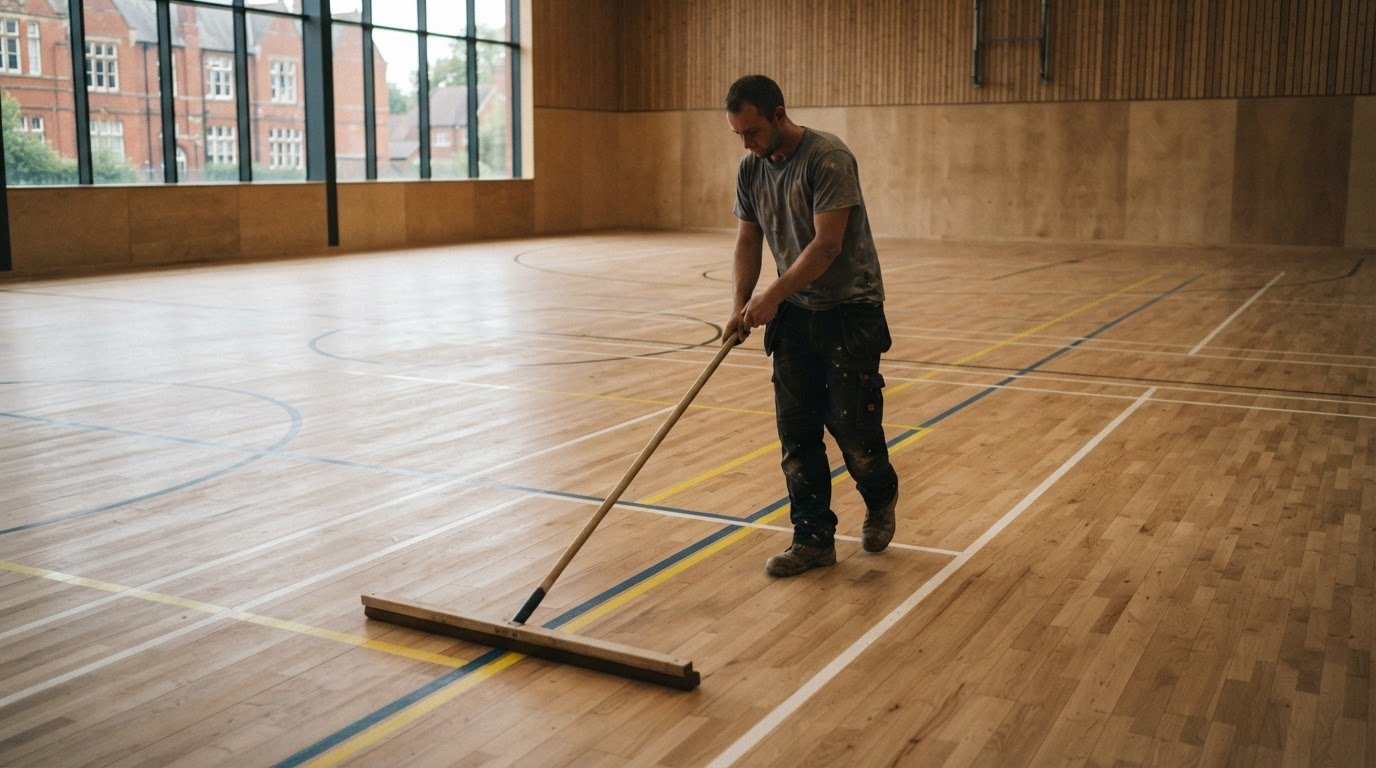
Large-scale venues like sports halls or expansive galleries present unique logistical challenges, particularly regarding airflow and temperature control. Consistent ambient temperatures are essential for the optimal curing of high-performance finishes; we manage these variables to ensure the seal levels perfectly without "orange-peel" textures. Access is another key consideration, as our heavy industrial equipment requires clear pathways and specific power requirements. For businesses with multiple regional sites, our experience extends beyond the city; you can read about our work elsewhere in our guide to Professional Wood Floor Sanding in Swansea.
If you're ready to revitalise your workspace without compromising your operational schedule, contact our project management team for a bespoke consultation.
Why Restore-A-Floor is Bristol’s Commercial Specialist
With over 20 years of industry experience, Restore-A-Floor has evolved from a specialist workshop into a trusted advisor for facility managers and property developers across the South West. We don't just sand floors; we provide a high-end consultancy service that aligns technical proficiency with your brand’s specific requirements. Our team understands the nuances of commercial timber floor sanding Bristol, where every project demands a bespoke finish tailored to expected footfall, light levels, and architectural heritage. This seasoned expertise allows us to bridge the gap between a technical service provider and a strategic partner in your property’s maintenance.
Our commitment to a dust-free environment is a fundamental pillar of our operational safety. By maintaining a clean workspace through industrial HEPA-filtered extraction, we ensure compliance with the latest HSE wood dust exposure limits and protect the air quality of your premises. We exclusively utilise non-toxic, professional-grade finishes that allow for immediate re-occupation without the lingering odour of harsh chemicals. For multi-site businesses, our reach extends beyond the city centre to Cardiff and London, providing a consistent standard of excellence for your entire property portfolio whilst maintaining the local accountability of a Bristol-based specialist.
Expertise Across Sectors
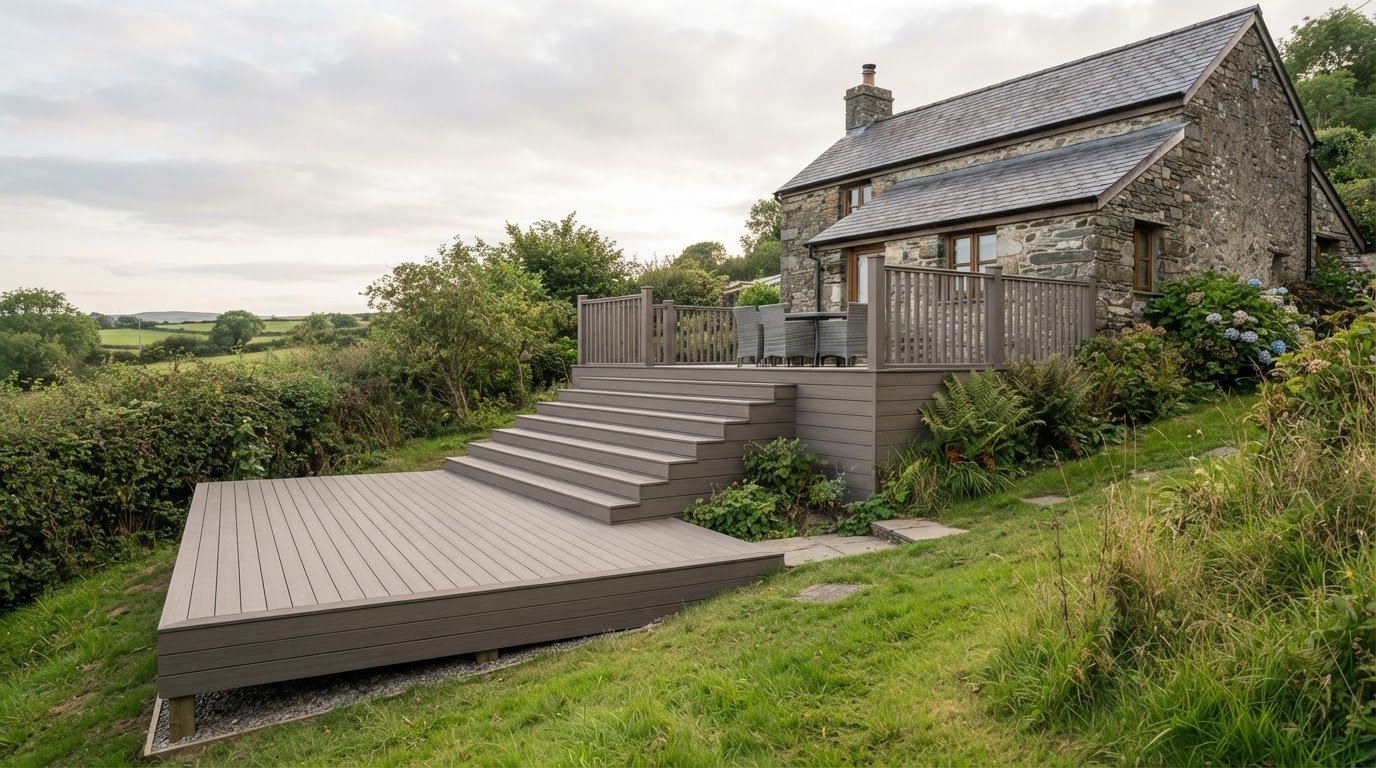
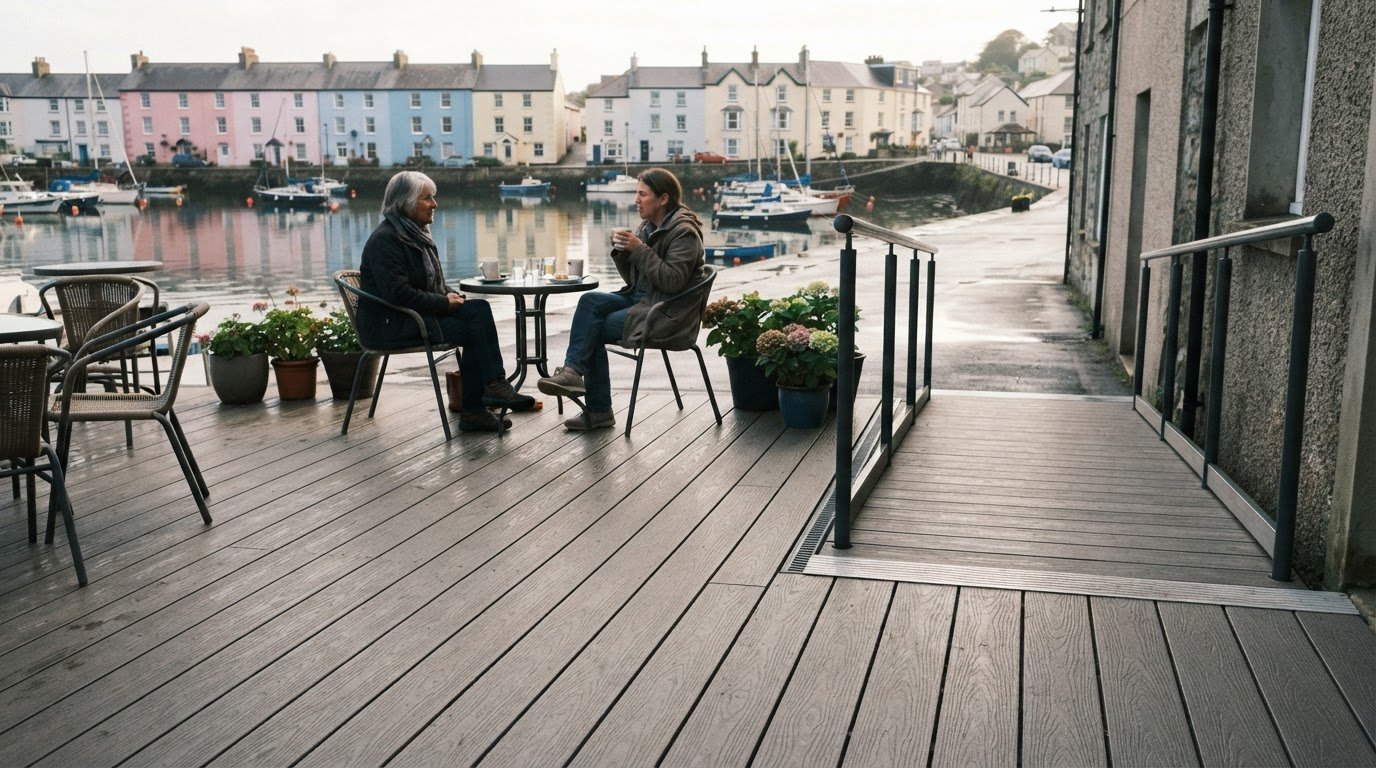
We've successfully delivered restoration projects across diverse environments, including high-traffic schools, luxury retail units, and Grade II listed offices. A notable part of our portfolio involves restoring complex parquet patterns within historic Bristol business centres, where we stabilised century-old timber whilst achieving a modern, durable finish. This versatility allows us to manage everything from sports floor line marking to Custom Decking Solutions Bristol for commercial outdoor spaces, ensuring your property assets are protected inside and out. We treat every grain of wood with the precision it deserves, regardless of the project's scale.
Request Your Free Commercial Quotation
Every project begins with a rigorous on-site survey conducted by our senior technicians. We examine the timber's condition, species, and subfloor stability to provide a transparent, fixed-quote proposal. You won't find hidden surprises or mid-project price hikes here; we value professional standards and long-term client satisfaction over quick fixes. Our detailed assessments help you plan your budget with total confidence, providing a clear roadmap for your floor’s transformation. Contact Restore-A-Floor today to schedule your professional site assessment and discover how our expertise can revitalise your commercial environment.
Securing the Future of Your Commercial Property Assets
Professional restoration is far more than a cosmetic enhancement; it's a strategic investment in the longevity and safety of your business premises. By prioritising industrial-grade dust-free technology and high-performance finishes, you ensure that your workspace meets modern health and safety standards whilst projecting a brand image of quality and precision. We've explored how methodical planning and technical expertise can eliminate business downtime, allowing you to revitalise your environment without compromising your operational revenue.
As qualified and insured commercial specialists with over 20 years of industry experience, Restore-A-Floor provides the technical guidance and craftsmanship required for complex projects. Whether you're managing a historic office or a high-traffic retail unit, our team is dedicated to delivering results that stand the test of time. Take the first step towards transforming your workspace by choosing a partner who understands the unique requirements of commercial timber floor sanding Bristol.
Request a Free Commercial Floor Survey in Bristol today to receive a bespoke technical assessment of your flooring. We look forward to helping you restore the beauty and durability of your timber assets.
Frequently Asked Questions
How long does commercial floor sanding take for a medium-sized Bristol office?
A typical project for commercial timber floor sanding Bristol involving a medium-sized office generally requires three to four days from initial preparation to the final curing of the seal. The first day focuses on stripping and repairs, followed by graduated sanding and the application of primary coats. We coordinate our schedules to ensure minimal disruption, often using fast-curing commercial lacquers that allow light foot traffic to resume within 24 hours of the final application.
Is the sanding process truly dust-free for retail environments?
Our process is 98% dust-free, utilising industrial HEPA-filtered extraction units that connect directly to the sanding equipment. This system creates a high-velocity vacuum at the point of contact, capturing particulates before they can settle on retail stock or sensitive electronics. This technology is a cornerstone of commercial timber floor sanding Bristol, ensuring your environment remains clean and safe for immediate re-occupation without the need for extensive post-project industrial cleaning or stock protection.
Can you sand and finish floors overnight to avoid business closure?
We frequently perform out-of-hours restoration for venues that cannot close during standard business hours. By scheduling the heavy sanding and initial sealing overnight or during weekends, we ensure your operational revenue is protected. This requires careful coordination regarding airflow and temperature to ensure the finish cures correctly by morning. We provide a detailed preparation checklist to help your team clear the space and protect static assets before our specialist team arrives.
Which finish is best for a high-traffic restaurant floor in Bristol?
For high-traffic hospitality environments, we recommend a two-component (2K) polyurethane lacquer. This finish creates a chemically-bonded shield that offers exceptional resistance to liquid spills, chemical cleaners, and heavy footfall. Unlike standard domestic seals, 2K lacquers are specifically engineered for durability. They provide a resilient surface that's easy to sanitise, making them the preferred choice for restaurants where hygiene and long-term wear resistance are the primary operational priorities for facility managers.
Do you provide slip-resistance certification for commercial floors?
We utilise finishes that are rigorously tested to meet specific slip-resistance standards, commonly referred to as R-ratings. For most commercial public spaces, we apply coatings that achieve an R10 rating to ensure compliance with health and safety regulations and insurance requirements. Whilst we provide technical data sheets for the products used, we always advise facility managers to conduct their own risk assessments to ensure the chosen finish aligns with their specific workplace safety protocols.
Can you restore original Victorian floorboards in a commercial property?
Restoring original Victorian timber is a specialty of our team, particularly in Bristol’s heritage business districts. We stabilise loose boards, fill gaps with high-performance resins, and use nuanced sanding techniques to preserve the wood's historical character whilst providing a modern, durable surface. These floors often require bespoke finishes that allow the timber to breathe, preventing moisture buildup that could lead to structural decay in older commercial buildings over the long term.
What maintenance is required after a commercial floor has been sanded?
Long-term durability relies on a structured maintenance routine that includes regular sweeping with soft-bristled brushes and damp mopping with pH-neutral cleaners. We advise against using abrasive chemicals or excessive water, which can degrade the protective seal. For high-traffic areas, a professional "screen and recoat" every few years can replenish the surface protection without the need for a full sand back to bare wood, significantly extending the lifespan of your property investment.
Are the finishes you use non-toxic and safe for staff and customers?
We exclusively use high-quality, non-toxic finishes that are low in Volatile Organic Compounds (VOCs). These modern water-based lacquers and natural hardwax oils ensure that air quality remains safe for your staff and customers immediately after the application. Unlike traditional solvent-based seals, our products don't emit lingering, harmful fumes. This allows for a much faster return to normal operations, making them ideal for schools, medical facilities, and sensitive retail environments across the city.
Comments