

Dustless Floor Sanding Near Me and Floor Use Times
A floor can be ready for footsteps before it’s ready for furniture. After the final lacquer coat, foot traffic can resume after 2 hours; with a hardwax-oil finish, allow 5-8 hours, depending on humidity and the season. If you’re looking for dustless floor sanding services near me, the right timing depends on the finish as well as the floor.
Before work begins, it’s natural to want a clear plan for when rooms can be used again, especially if they need to stay in use. This guide explains when floors can be walked on and furniture returned, which wood floors may be suitable for restoration, and what affects the work involved.
You’ll also learn what dust control involves and how to plan dustless floor sanding services near me in Swansea, Cardiff, Bristol, Pembrokeshire, Haverfordwest and Cardiganshire, with a clearer idea of what your floor needs.
Table of Contents
How long does it take before the floors can be used again after sanding service?
After the final lacquer coat, foot traffic can resume after 2 hours. With hardwax oil, allow 5-8 hours after the final coat. Furniture should return the following day. These timings differ because each finish dries at a different rate, so distinguish walking carefully from moving furniture back.
Dust-controlled equipment captures sanding dust close to the source. A Bona Dust Control System is stated to capture 99% of dust, but dustless does not mean that no dust is produced. Polythene dust-sheets can seal off areas; some services describe this as 100% protection during sanding. Together, extraction and containment help limit dust travelling into adjoining rooms.
Compared with traditional floor sanding, dust-controlled sanding captures more dust at the machine instead of letting it spread around the room. No method should be assumed to produce zero dust. Keep people away from active sanding and contained work areas to limit exposure to airborne and settled wood dust.
Drying time also affects when a wooden floor can be used. Protective finish coats take approximately 2-6 hours to dry. Plan around the final finish, not just the sanding stage, and keep furniture off the refinishing area until the following day.
In the UK, qualifications, insurance and guarantees are separate matters, and requirements can vary. Before agreeing to work, ask what insurance cover applies and make sure the agreed scope and terms are clear in writing.
Before work starts, ask what dust-control equipment will be used, whether adjoining areas will be sealed with polythene, and which finish is planned. Confirm when foot traffic and furniture can return, too. Lacquer and hardwax oil have different return-to-use times, so follow the guidance for the finish selected.
Dustless wood floor sanding and restoration
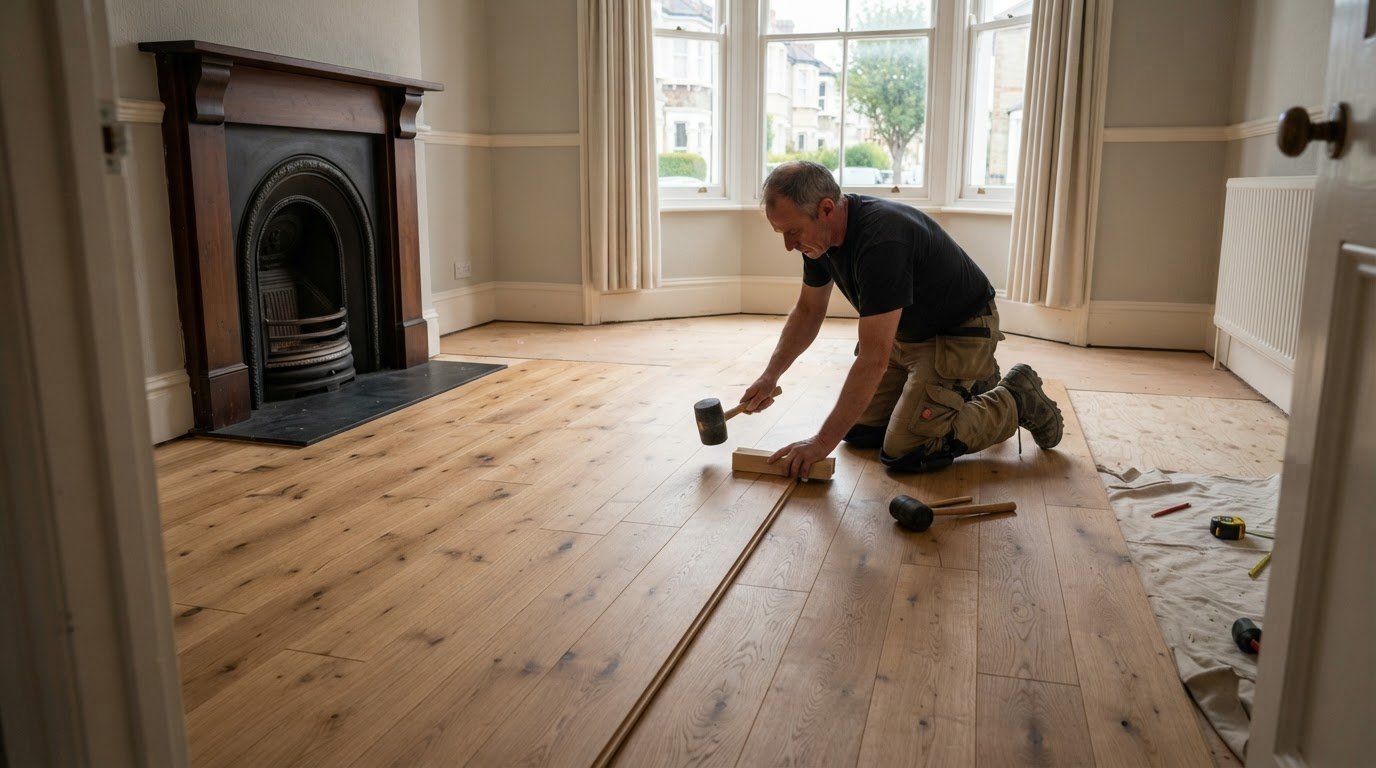
Restoration can refresh a wooden floor without replacing its boards. Sanding removes the worn surface and prepares the wood for a new finish. It can improve scratches, scuffs, discolouration and small dents, revealing the wood’s natural character. Deeper damage may need repair before sanding, so the condition of each board matters.
Older and heritage floors need careful assessment before work begins. Original boards may have uneven surfaces, previous repairs or layers of old finish. A considered approach preserves sound material while addressing wear. The sanding method and finish should suit the floor’s condition, rather than treating every room as though its boards were identical.
Time depends on the area and the work involved. Restoring approximately 40 sqm of wooden flooring, including sanding and a new finish, can take 2 to 4 days. An average-size bedroom may take one day to sand, followed by a second day for hand finishing. These examples help with planning, but repairs and detailed edges add work.
Stairs require particular attention because each tread and riser needs controlled sanding and finishing. Sanding and painting an average staircase generally takes 3 to 5 days. Drying time for each coat of primer and paint on stairs can be between 2 to 5 hours, so successive stages affect when the staircase is ready for use.
Protective finish coats take approximately 2 to 6 hours to dry. After the final hardwax-oil coat, foot traffic can resume after 5-8 hours, depending on air humidity and season. Furniture should return the following day. The third coat of polish takes around 4-5 hours to dry completely, so the chosen finish shapes the room’s return-to-use plan.
For local firms, useful reviews describe dust control, careful work on older boards and the finished result. Look for specific project details, rather than relying on a star rating alone. If your floor needs a tailored assessment, explore wood floor sanding and refinishing as a route to restoring its surface.

Sanding parquet, floorboards and engineered wood
Identify the floor’s construction before planning restoration. Solid hardwood boards, parquet blocks and engineered planks have different sanding limits. An assessment considers the surface, previous refinishing and visible damage. This helps determine whether sanding can remove the worn finish without exposing joints or weakening the boards.
Solid boards can often be sanded across their surface, while parquet needs careful work around its patterned blocks. In herringbone, for example, timber pieces sit in alternating directions. The sanding sequence must respect the layout, and loose or damaged blocks need attention first. Sealing protects the prepared wood and affects its colour.
Engineered flooring needs particular care because sanding removes part of its real-wood top layer. Some engineered wood flooring has a 6 mm top layer, allowing it to be restored multiple times. Most engineered flooring products have a 3 mm to 4 mm mm top layer and can be sanded only once or twice at most. The remaining layer, not simply the floor’s age, determines whether further sanding is suitable.
Parquet restoration starts with checking for loose blocks, gaps and previous repairs, all of which can affect how evenly the floor sands. Inspect floorboards for movement and damaged edges, too. Engineered planks need particular care to avoid sanding through the real-wood surface. An assessment distinguishes surface scratches from problems that need repair before sanding.
Choose a finish based on the wood’s appearance and how the room is used. A clear seal keeps the existing colour more visible, while coloured oil changes the final look. A sample area can show how a finish appears on the specific timber. For a lasting result, match the restoration to the floor’s construction, pattern and remaining wear layer rather than using the same sanding approach for every material.
Floor sanding availability across London
For dustless floor sanding services near me in Swansea, Cardiff, Bristol, Pembrokeshire, Haverfordwest and Cardiganshire, start with the floor type and the work it needs. Dust-controlled sanding can suit timber floors with worn finishes, scratches or surface damage. The assessment considers the boards’ condition, room access and your preferred finish.
Location helps shape the practical plan. A flat, for instance, may require attention to adjoining rooms and access, while a larger home may involve several floor areas. These details affect how the work is organised. The floor’s condition determines whether sanding alone is suitable or repairs should come first.
Describe the project by sharing the property location, floor type and visible concerns. Photos can show the pattern and surface wear, while an assessment may reveal issues that images cannot. For parquet, note any loose blocks; for boards, point out movement, gaps or damaged edges.
Dustless floor sanding services near me may involve sanding and refinishing wooden floors, restoring parquet and applying a protective finish. In Swansea, Cardiff, Bristol, Pembrokeshire, Haverfordwest and Cardiganshire, outline the floor details and access arrangements to establish a clear starting point and distinguish refinishing from repairs.
Location and project planning answer different questions: location shows where the service is needed, while a floor assessment determines suitable work. Room size, timber condition, furniture and the chosen finish shape the sequence. A staircase, for example, needs a different plan from an open living room.
To discuss a timber floor in these locations and its restoration needs, arrange a floor-sanding assessment with Restore-A-Floor.
Restore-A-Floor: Wood Floor Sanding & Refinishing
Restore-A-Floor provides wood floor sanding and refinishing to refresh worn finishes and restore timber. It’s a natural next step once you’ve identified your floor type, considered its condition and decided to pursue restoration. The work can be tailored to the floor, including parquet that needs a considered approach.
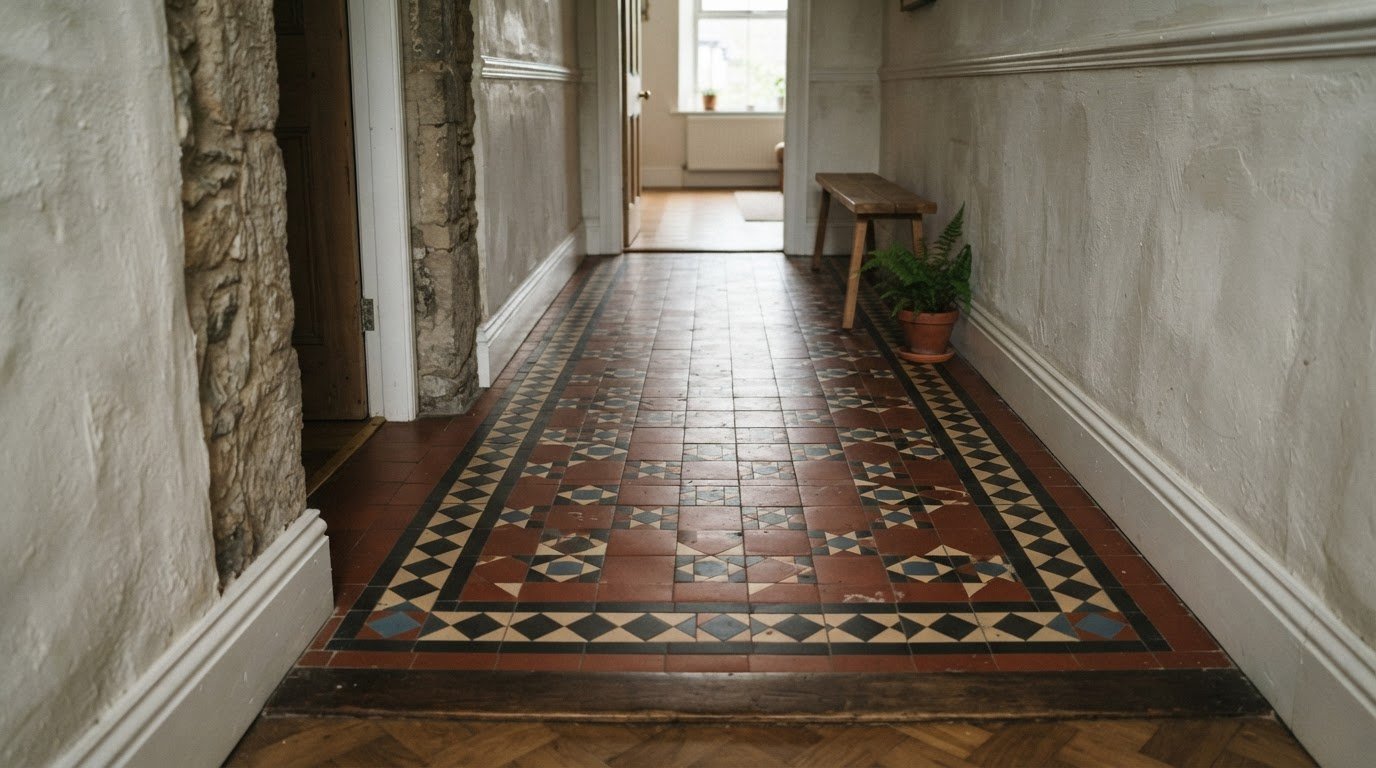
For other hard-floor projects, Restore-A-Floor also offers concrete floor polishing, parquet floor supply and installation, and tiled floor restoration and cleaning. Each service suits different materials and needs, so the right option depends on the floor you want to improve.
Ready to discuss your flooring project? Contact Restore-A-Floor for a quotation.
Plan your next step with confidence
Choosing a finish is also a chance to plan how the room will work after restoration. Consider which areas need to remain accessible, what furniture must be moved and whether the floor has features such as parquet blocks or damaged boards. Sharing these priorities helps shape the project around the property as well as the timber surface.
If you’re looking for dustless floor sanding services near you, Restore-A-Floor offers Wood Floor Sanding & Refinishing, alongside Concrete Floor Polishing and Parquet Floor Supply & Installation. Each suits different floor materials and project needs, so start by describing the floor you want to improve.
Take the next step by outlining the floor type, its condition and the finish you have in mind. Contact Restore-A-Floor to discuss your floors, and move towards a considered plan for your space.
Frequently Asked Questions
Can you walk on freshly sanded floors?
Yes, but wait until the applied finish has dried enough for foot traffic. After the final lacquer coat, foot traffic can resume after 2 hours; after the final hardwax-oil coat, allow 5-8 hours. These are different finish-specific timings, not a single rule for every floor. Keep furniture off the newly finished surface until the following day.
How much does it cost to sand a floor?
The cost depends on the floor and the work required, so there’s no single reliable figure for every project. Floor area, timber condition, repairs and finish can all affect the quotation. It should describe the specific restoration work requested, making the scope clear before you decide whether it suits your floor and plans.
How much does dustless floor sanding cost per square metre in my area?
A per-square-metre rate cannot account for differences between floors and projects. The quotation reflects the floor’s size and condition, the sanding and finishing required, and any repairs. For a project in London or elsewhere in the UK, include the location and floor details when requesting a quotation so it relates to your property.
What affects the price of dustless floor sanding, including repairs and finishing?
The main cost factors are the area to be sanded, the timber’s condition, repairs and the chosen finish. Loose parquet blocks or damaged floorboards, for example, may need work beyond surface sanding. The finish also affects the materials and work required. A project quotation sets out the requested restoration scope, including how repairs and finishing contribute.
What floor types and conditions are suitable for dustless sanding?
Solid wood boards and parquet can be suitable for sanding, while engineered flooring needs particular assessment. Its real-wood top layer limits how much material can be removed, so construction and previous sanding matter. An assessment considers the surface, damage and loose sections before determining the method. Dust-control equipment is used during sanding, but it cannot make every floor suitable.
How long does dustless floor sanding take, and how soon can the floor be used?
The project duration depends on the floor area, repairs, detailing and finish, so sanding time and drying time should be planned separately. A protective finish coat takes approximately 2 to 6 hours to dry. Foot traffic can resume after the finish-specific waiting period, while furniture needs longer. Ask for a schedule that covers preparation, sanding, finishing and room access.

Comments