

Restoring Weathered Timber Decking: 2026 Professional Guide
Is your once-vibrant outdoor space now a treacherous, silver-grey liability that you've considered replacing entirely? Many homeowners believe that once timber loses its rich colour and becomes dangerously slippery, the structural end is near. This perspective is understandable, especially when faced with the harsh reality of the UK's freeze-thaw cycles and relentless driving rain. However, the truth is that professional timber decking restoration London services can often salvage what looks like a lost cause.
This 2026 guide shares the technical secrets to reversing years of UV damage and moisture decay to return your deck to its original lustre. You will discover how to identify the difference between superficial silvering and deep-seated rot, whilst gaining a clear understanding of why high-performance oils outlast traditional DIY stains. We'll provide the expert knowledge you need to transform a safety hazard into a sophisticated, durable space for entertaining. By following a methodical approach to resurfacing and fibre preservation, you can extend the life of your investment and ensure it remains a safe, beautiful centrepiece of your home.
Table of Contents
The Science of Weathering: Why Your Timber Decking Turns Grey
Understanding The Science of Weathering is essential for any homeowner considering timber decking restoration London projects. The transition from a rich, warm timber hue to a dull silver-grey isn't merely a superficial change in appearance; it's a fundamental chemical breakdown of the wood's cellular structure. Timber is held together by lignin, a complex organic polymer that acts as the "glue" between cellulose fibres. When left unprotected, this lignin is the first casualty of environmental exposure.
The degradation process is relentless. Once the lignin bond is compromised, the structural integrity of the surface fibres fails, leaving behind a bleached cellulose skeleton. This creates a porous, weakened surface that absorbs moisture more readily, accelerating the cycle of decay.
UV Radiation and the "Silvering" Effect
Photodegradation is the primary cause of timber colour loss, occurring when ultraviolet radiation chemically alters the wood's surface components. During the peak summer months, high-altitude UV rays are particularly aggressive, effectively "burning" the wood and stripping away its natural protective oils. This process happens at varying speeds depending on the material. Hardwoods like Oak or Ipe, which possess a dense cellular structure and high natural tannin content, resist this degradation longer than common softwoods like Pine or Larch.
As the lignin dissolves, it becomes water-soluble. The next rainfall simply washes it away, exposing fresh layers of wood to the same destructive UV cycle. This results in the characteristic "silvering" that many homeowners mistakenly believe is a sign of healthy ageing, when it's actually the first stage of surface failure.
The Impact of Moisture and Fungal Growth
Moisture acts as the physical catalyst for structural decline. The constant cycle of wetting from London rain followed by rapid drying in the sun causes the timber to swell and shrink. This physical stress leads to several technical failures:
Checking: Small surface cracks that allow water to penetrate deeper into the board.
Splitting: Larger structural breaks that often occur at the ends of boards where moisture absorption is highest.
Cupping: The warping of boards as the underside remains damp whilst the top dries out.
This weathered surface becomes a fertile sanctuary for biological colonisation. Algae and lichen thrive on the damp, degraded fibres, creating the dangerously slippery surfaces that plague urban gardens. In the humid London climate, "soft rot" fungi can take hold in the moisture-trapping checks, quietly compromising the timber's integrity from the inside out. Successful timber decking restoration London requires the mechanical removal of this "dead zone" of fibres. Unless you strip back to the healthy, oil-rich wood beneath, any new finish will fail to bond, leading to premature peeling and continued decay.
Assessing the Damage: Is Your Deck a Candidate for Restoration?
Before commissioning a timber decking restoration London specialist, you must establish whether your outdoor space is a candidate for resurfacing or if it has reached the end of its functional life. Whilst the silver-grey appearance discussed in the previous section is often cosmetic, structural integrity cannot be judged by colour alone. A thorough assessment prevents the mistake of applying high-end finishes to a failing substrate.
The most reliable diagnostic tool is the "Screwdriver Test". Take a flat-head screwdriver and press it firmly into the timber, paying close attention to the end grains and areas where boards meet the joists. If the wood remains dense and resists the tip, it's healthy. If the tool sinks easily into the grain, you're likely dealing with internal rot. You should also inspect the fixings; rusted, ferrous screws can cause "nail sickness", where oxidation reacts with wood tannins to accelerate decay around the hole, eventually leading to loose, dangerous boards.
Structural vs. Cosmetic Damage
It's vital to differentiate between surface-level issues and sub-frame failure. If your deck feels bouncy or shows visible sagging, the joists beneath may have succumbed to wet rot due to poor ventilation or ground contact. In these instances, restoration is merely a temporary mask for a structural hazard. If the sub-frame is compromised, it's often safer to invest in professional decking installation Birmingham services to ensure a stable foundation.
Homeowners with hardwoods like Oak or Ipe might notice "tannin bleed", which manifests as dark, unsightly streaks. This is a natural reaction to moisture and shouldn't be confused with internal decay. Unlike softwood, which has an average lifespan of 5 to 15 years depending on treatment, these hardwoods can last up to 60 years, making them almost always worth the effort of a professional restoration.
Surface Texture and Safety Audits
A primary driver for timber decking restoration London projects is safety. Algae and lichen colonisation on weathered wood creates a biofilm that becomes incredibly slippery when wet. This is a significant liability, particularly in high-traffic commercial zones or for residential decks used for entertaining.
Check for "checking", which are longitudinal cracks caused by the swell-shrink cycle. If these cracks are wider than 3mm, they act as water traps that sanders cannot reach. If more than 20% of your boards exhibit deep splitting or severe cupping, board replacement becomes more cost-effective than attempting to sand them flat. For a precise evaluation of your deck's condition, you may wish to request a professional site assessment to determine the most viable path forward.
The Professional Restoration Process: Beyond the Pressure Washer
Many homeowners reach for a pressure washer as their first line of defence against weathered wood. Whilst satisfying to watch, high-pressure water is often a deck's worst enemy. It "furs" the timber by tearing the delicate surface fibres and forcing water deep into the grain, which leads to internal rot and an uneven, splintered texture once dry. Professional timber decking restoration London requires a more surgical approach that preserves the wood's structural integrity whilst achieving a flawless aesthetic finish.
Deep Cleaning and pH Balancing
The restoration begins with chemical intervention rather than brute force. We use professional-grade cleaners to dissolve biological growth and atmospheric pollutants, which are particularly prevalent in urban London centres. After the initial clean, the timber's pH levels are often skewed, leaving the wood in an alkaline state that prevents finishes from bonding correctly. This stage involves a precise three-step protocol:
Alkaline Cleaning: Dissolving surface grease, tannins, and biological biofilms.
Acidic Brightening: Neutralising the wood and opening the cellular structure for deep penetration.
Atmospheric Scrubbing: Removing the specific soot and carbon deposits unique to high-traffic urban environments.
These "brighteners" are essential to reopen the timber pores. By resetting the timber's natural chemistry, we ensure the wood is receptive to the high-performance oils applied later in the process.
Precision Sanding Techniques
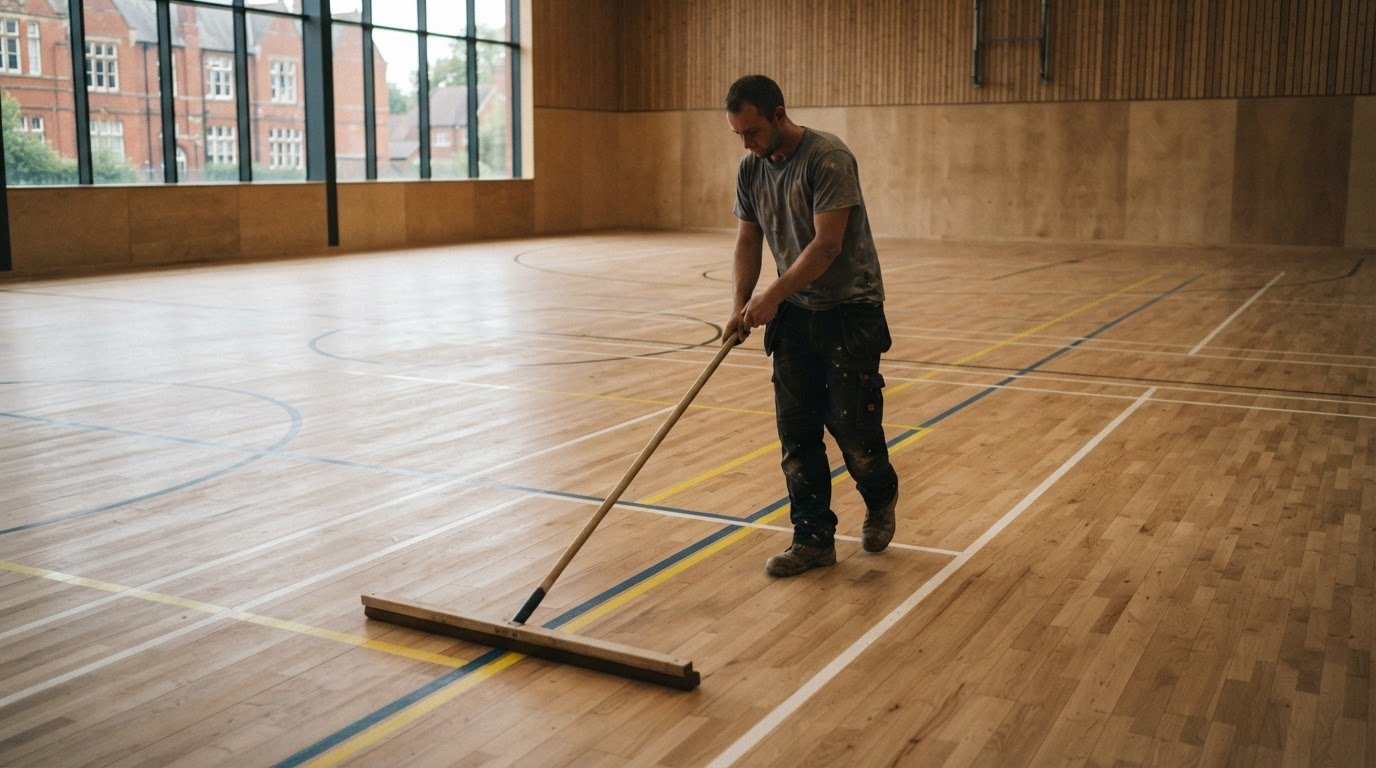
Mechanical restoration is what separates a standard clean from a true resurfacing. By adapting the same advanced technology used in wood floor sanding Swansea projects, we can strip away the "dead zone" of grey fibres without damaging the healthy wood beneath. This process relies on a methodical grit progression, beginning with coarse abrasives to level the surface and concluding with finer grits to create a perfectly smooth, splinter-free finish. Precision is the hallmark of a master restorer.
A significant advantage of our approach is the "dust-free" system. In the cramped environments of London, traditional sanding creates a cloud of fine particulate that can infiltrate neighbouring properties or your own home's interior. Our high-velocity extraction units capture 99.9% of dust at the source, ensuring a clean workspace and a better "key" for the final finish. This meticulous attention to detail is what defines a premium timber decking restoration London service, extending even to the intricate balustrades and stairs where hand-detailing ensures a uniform appearance across the entire structure.
Choosing the Right Finish: Stains vs. Oils for Longevity
Once the mechanical resurfacing is complete, selecting the correct protective medium is the most consequential decision in any timber decking restoration London project. Homeowners often conflate stains and oils, yet they operate on entirely different chemical principles. Penetrating oils are hydrophobic; they migrate deep into the timber's cellular structure to replace the natural resins lost during the weathering process. Conversely, many solid stains and paints are film-forming. Whilst they provide an immediate opaque colour, they often lack the necessary breathability for outdoor use. When moisture inevitably enters the wood through the underside or end-grain, it becomes trapped beneath the film, leading to unsightly peeling and accelerated fungal decay.
The Case for Professional Timber Oils
High-solid oils are the preferred choice for premium timber deck restoration Bristol and London commissions because they simplify long-term care. Unlike film-forming products, oils don't require aggressive sanding for future maintenance. A simple deep clean and a fresh coat are usually sufficient to replenish the wood's protection. This approach preserves the timber's thickness over decades. For those balancing aesthetic requirements with durability, modern oils offer a range of translucent pigments. These can subtly enhance the natural grain of Oak or provide a contemporary charcoal tone that complements modern London architecture without masking the wood's inherent character.
Advanced Protective Coatings
In the damp UK climate, a finish must do more than just look good. Professional-grade treatments incorporate fungicidal pre-treatments that act as a chemical barrier against the "soft rot" fungi mentioned in earlier sections. These are often paired with high-performance UV inhibitors. Think of these as a high-SPF sunscreen for your deck; they deflect the radiation that breaks down lignin, significantly delaying the return of the silver-grey hue.
For commercial terraces or public walkways, we recommend incorporating anti-slip additives. These micronised aggregates provide essential traction without compromising the sleek, professional finish of the timber. Choosing the wrong product can lead to a costly failure within a single season. To ensure your investment is protected by the most advanced polymer technology available, request a professional site assessment to determine the ideal finishing schedule for your specific wood species.
Maintaining Your Restored Deck: A Localised Care Calendar
Preserving the results of a professional timber decking restoration London project requires a shift in mindset from reactive repair to proactive stewardship. The "Little and Often" rule isn't just a suggestion; it's a technical necessity for urban decks exposed to London’s unique mix of high humidity and atmospheric pollutants. By committing to a structured care calendar, you can prevent the recurrence of the silver-grey degradation discussed earlier and ensure your outdoor space remains a safe, high-end asset for decades.
Cleaning protocols must be gentle. Whilst it's tempting to use aggressive household detergents, these can strip the protective oils applied during restoration, leaving the timber vulnerable to the elements. Instead, use pH-neutral wood soaps designed to lift surface grime without compromising the finish. Regular sweeping to remove organic debris is equally vital. Trapped leaves act as biological sponges, creating localised damp zones that invite fungal colonisation and permanent staining.
The Annual Maintenance Checklist
A primary diagnostic tool for any homeowner is the "Water Bead Test". Simply pour a small amount of water onto various sections of the deck. If the water beads and sits on the surface, your protective coating is intact. If the water soaks into the grain within a few minutes, the timber's thirst indicates that a fresh top-coat of oil is required. For more detailed technical advice on specific product applications, refer to our decking restoration Swansea guide.
You should also inspect the gaps between boards every spring. Debris often collects in these channels, obstructing the drainage and ventilation essential for preventing sub-frame rot. A simple pass with a stiff brush or a specialized gap-cleaning tool can prevent moisture from being held against the joists.
Protecting Your Investment
The placement of garden furniture and heavy planters significantly impacts your deck's health. These items often restrict airflow, creating microclimates of trapped moisture that lead to premature rot in the boards beneath. We recommend using "pot feet" to elevate planters and occasionally repositioning furniture to allow the timber to breathe and weather evenly. This prevents the "shadowing" effect where covered areas remain dark whilst exposed timber continues its natural maturation.
Winter presents its own challenges. You should never use rock salt or harsh chemical de-icers on timber surfaces. These substances are hygroscopic; they draw moisture out of the wood cells, causing them to become brittle and prone to splitting during the next freeze-thaw cycle. For those who prefer a hands-off approach, professional maintenance contracts can effectively double the lifespan of a deck by ensuring that early signs of wear are addressed by experts before they escalate into structural failures. If you notice the finish starting to look dull or "patchy," that's the time to call in the specialists for a non-abrasive revitalisation treatment.
Secure the Future of Your Outdoor Space
Restoring a weathered deck is a precise technical undertaking that transforms a silver-grey liability into a durable architectural feature. By understanding the chemical degradation of lignin and the superiority of mechanical, dust-free sanding over aggressive pressure washing, you can ensure your timber remains structurally sound. Choosing the correct high-solid oils rather than film-forming stains is the definitive factor in preventing future peeling and rot. Our specialist timber decking restoration London services combine these technical insights with over 20 years of timber expertise.
We utilise advanced dust-free restoration technology to protect your property whilst our fully insured and accredited team ensures every board meets the highest standards of craftsmanship. Request your free professional decking restoration quote from Restore-A-Floor today to reclaim your garden's aesthetic potential. Your deck doesn't have to be a casualty of the British weather; with the right professional care, it can remain a beautiful centrepiece for entertaining for many years to come.
Frequently Asked Questions
How much does it cost to restore a timber deck in London?
Costs are determined by the deck's square footage, current structural condition, and the choice of high-performance finish. Whilst simple cleaning is less intensive, a full mechanical resurfacing involves precision sanding and chemical neutralisation. Every project is unique, so we provide a bespoke quotation after a site assessment. This ensures you receive an accurate figure that reflects the specific requirements of your timber species and urban environment, prioritising long-term durability over a quick fix.
Is it better to sand or pressure wash weathered decking?
Mechanical sanding is significantly better for the wood's longevity. High-pressure washing often tears the delicate surface fibres and forces moisture deep into the grain, which can lead to internal decay. Professional dust-free sanding removes the "dead" grey layer of cells without damaging the healthy timber beneath. This creates a perfectly smooth "key" for oils to penetrate, ensuring a more uniform and durable result than water-based cleaning alone, whilst protecting the wood's structural integrity.
Can grey, weathered wood really be turned back to its original colour?
Yes, the silver-grey appearance is usually limited to the topmost layer of wood cells where lignin has degraded due to UV exposure. By performing a professional timber decking restoration London project, we mechanically strip away this weathered layer to reveal the vibrant, oil-rich timber underneath. Once the healthy wood is exposed and treated with a high-quality penetrating oil, the original warm tones and natural grain patterns are fully restored, making the deck look brand new again.
How long does a professional decking restoration last?
A professional restoration typically provides a robust protective barrier for one to three years, depending on the deck's exposure to the elements and foot traffic. South-facing decks in London may require more frequent maintenance due to higher UV intensity. By following a "little and often" care schedule, such as an annual deep clean and a light top-coat of oil, you can extend the life of the restoration and the timber itself for many years.
What is the best time of year to restore my decking in the UK?
The ideal window for restoration is during the spring or early autumn when temperatures are moderate and the risk of immediate heavy rainfall is lower. Wood needs to be thoroughly dry before sanding and oiling to ensure proper finish adhesion. Avoid the height of summer, as extreme heat can cause oils to dry too quickly before they can penetrate the grain, leading to a patchy finish that won't offer the same level of long-term protection.
Should I oil or stain my deck after it has been restored?
We generally recommend high-solid penetrating oils over traditional stains. Oils nourish the timber from within and allow the wood to breathe, which is essential in the damp UK climate. Stains often form a film on the surface that can trap moisture, leading to peeling and cracking over time. Oils are also easier to maintain, as they don't require aggressive sanding when it's time to apply a fresh coat to your outdoor space.
Is professional decking restoration worth the investment compared to replacement?
Restoration is almost always more cost-effective than a full replacement, provided the sub-frame remains structurally sound. A professional timber decking restoration London service can revitalise boards that look beyond saving, extending their functional life by decades. Replacement involves significant material costs and labour for disposal, whereas restoration focuses on resurfacing your existing investment. It is a sustainable choice that preserves high-quality hardwoods like Oak or Ipe that would be extremely expensive to source today.
How long after restoration can I use my deck and move furniture back?
You can typically walk on the deck in soft-soled shoes within 24 hours of the final oil application, provided the weather remains dry. However, we advise waiting at least 48 hours before moving heavy furniture or planters back into place. This allows the oil to fully cure and harden throughout the timber fibres. In cooler or more humid conditions, this curing process may take slightly longer, so always ensure the surface is no longer tacky.
Comments